
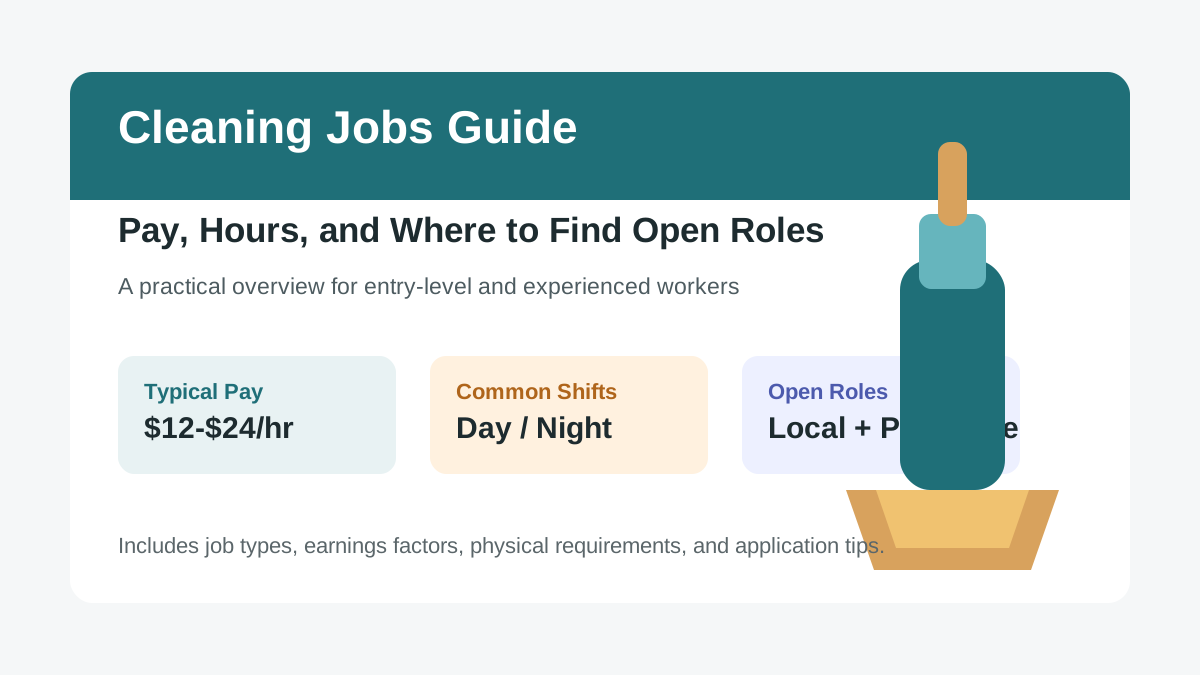
Cleaning Jobs: Pay, Hours, and How to Find Open Roles
Cleaning jobs are common in offices, schools, hospitals, hotels, stores, and private homes. Many roles do not require a college degree, and some employers offer part-time, evening, overnight, or weekend schedules. This makes cleaning work a practical option for people who want steady local work, extra income, or an entry-level position with clear daily tasks.
The exact duties, pay, and schedule depend on the workplace. A hospital housekeeper may follow strict sanitation rules, while an office cleaner may work after business hours. A residential cleaner may travel between homes and handle more detailed room-by-room tasks. Understanding these differences can help job seekers compare openings and choose a role that fits their time, physical ability, and income goals.
Common Cleaning Job Types
Cleaning work covers several job types. Commercial cleaners usually maintain offices, retail locations, schools, and public buildings. Janitors often handle a broader set of facility tasks, including trash removal, floor care, restroom cleaning, and basic supply restocking. Housekeepers are common in hotels, hospitals, senior care facilities, and private homes.
Some roles are more specialized. Floor technicians may operate buffers, scrubbers, and carpet machines. Industrial cleaners may work in warehouses, factories, or construction-related environments. Healthcare cleaning roles may require additional training because workers must follow infection control procedures and handle higher sanitation standards.
Typical Duties
Daily duties often include sweeping, vacuuming, mopping, dusting, wiping surfaces, emptying trash, cleaning restrooms, and restocking paper or soap supplies. Some jobs also include washing windows, cleaning break rooms, sanitizing high-touch surfaces, removing stains, or preparing rooms for the next guest, patient, or tenant.
Most employers expect cleaners to follow checklists, use products safely, report damage or hazards, and finish assigned areas within a scheduled shift. Attention to detail matters because missed areas are easy for clients, supervisors, or building occupants to notice.
Pay and Schedule Overview
Cleaning job pay varies by location, employer, experience, and work setting. Entry-level jobs may start near local minimum wage, while experienced cleaners, hospital housekeepers, floor technicians, and supervisors may earn more. Evening and overnight shifts may also offer different pay structures depending on the employer.
| Role Type | Common Setting | Estimated Hourly Range |
|---|---|---|
| Entry-Level Cleaner | Offices, stores, small facilities | $12-$16 |
| Hotel Housekeeper | Hotels and lodging | $13-$18 |
| Hospital Housekeeper | Healthcare facilities | $15-$22 |
| Floor Care Technician | Commercial buildings | $16-$24 |
| Residential Cleaner | Private homes | $15-$30 |
| Cleaning Supervisor | Facilities or service companies | $18-$28 |
Pay ranges are general estimates and may vary by city, employer, shift, experience, and current labor market conditions. Job seekers should check local listings before making employment decisions.
Where to Find Cleaning Jobs
Many openings can be found through local job boards, staffing agencies, facility service companies, hotel career pages, school district websites, hospital career portals, and community employment centers. Searching for specific terms can help narrow results, such as office cleaning jobs, night cleaning jobs, hospital housekeeping jobs, part-time cleaning jobs, or cleaning jobs near me.
Applicants should compare the schedule, commute, physical requirements, training, pay frequency, and whether supplies or transportation are provided. For residential cleaning work, it is also useful to check whether the position is employee-based or independent contractor work because taxes, benefits, and insurance responsibilities may differ.
Skills Employers Look For
Cleaning work rewards reliability, consistency, time management, and the ability to follow instructions. Employers may also value basic communication skills, safe chemical handling, physical stamina, and experience with specific tools such as floor machines or carpet extractors. In healthcare or food service settings, workers may need to follow stricter sanitation procedures.
People who want to increase earning potential can look for roles with training, certifications, team lead duties, or specialized equipment responsibilities. Over time, experienced workers may move into supervisor, inspection, scheduling, or facility support positions.
FAQ
Do cleaning jobs require experience?
Many entry-level cleaning jobs provide on-the-job training, but specialized roles may prefer experience with equipment, chemicals, or healthcare cleaning procedures.
Are cleaning jobs full-time or part-time?
Both options are common. Part-time evening shifts are frequent in offices, while hospitals, hotels, and large facilities may offer full-time schedules.
What should applicants check before accepting a role?
Applicants should review pay, schedule, commute, job duties, physical demands, benefits, supplies, safety training, and whether the position is employee or contractor based.
Conclusion
Cleaning jobs can offer accessible local employment, flexible schedules, and a clear path into steady work. The best role depends on the setting, shift, pay, physical requirements, and long-term goals. By comparing job types and searching with specific terms, job seekers can find openings that better match their needs.