
The Ultimate Dry Eye Relief Guide for Americans
Are your eyes constantly irritated, itchy, or tired? Discover the best ways to manage and cure dry eyes right here in the United States with expert tips, top product choices, and trusted brands for immediate and long-term relief. Learn how to protect your vision and comfort daily.
What Are Dry Eyes
Dry eyes occur when your eyes don't produce enough tears or when tears evaporate too quickly. This can lead to discomfort, redness, itching, and a gritty feeling. Factors like age, environment, prolonged screen use, and some medications can make symptoms worse. In the United States, millions of adults experience dry eye syndrome, which can affect quality of life and productivity.
Daily habits, weather conditions, and underlying health issues all play a role. Understanding the cause is the first step to choosing the right solution. Thankfully, a wide variety of treatments are available, from over-the-counter drops to advanced therapies provided by eye care specialists.
Types of Dry Eye Treatments
There are multiple approaches to managing dry eyes, and the best option often depends on individual needs. Artificial tears or lubricant eye drops are the most common and can provide immediate comfort. Preservative-free options are often recommended for sensitive eyes or frequent use.
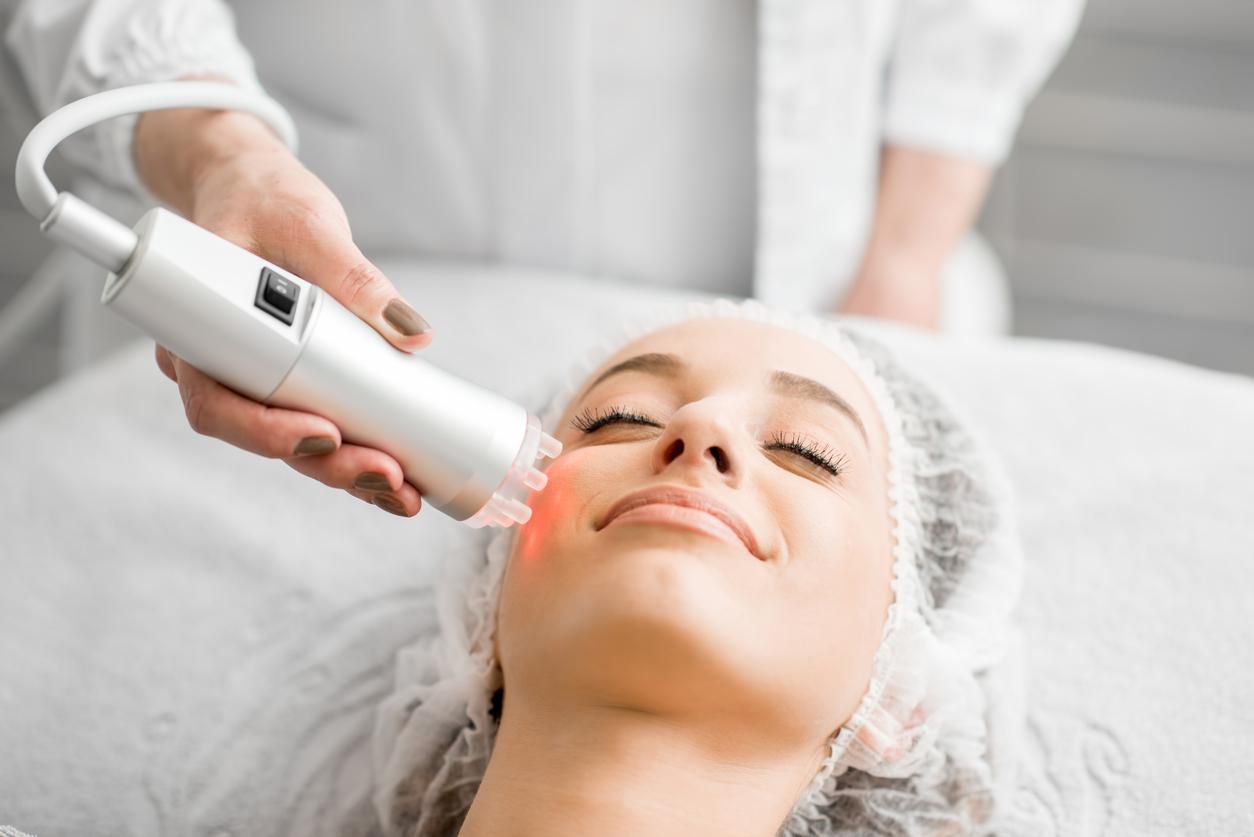
Prescription medications, such as cyclosporine (Restasis) or lifitegrast (Xiidra), help address inflammation and encourage natural tear production. For some patients, eye inserts that slowly release lubrication may be prescribed. Specialized contact lenses, punctal plugs to block tear drainage, and even light therapy treatments can offer sustained relief.
Lifestyle changes can also help. Using humidifiers, taking regular breaks from screens, and wearing wraparound sunglasses protect eyes from wind and dry air.
。。。。。| Treatment Type | How It Works | Best For |
|---|---|---|
| Artificial Tears | Lubricate and add instant moisture | Mild, occasional dry eyes |
| Prescription Drops | Reduce inflammation, increase tear production | Chronic or severe cases |
| Punctal Plugs | Block tear duct to retain moisture | Moderate to severe dry eye |
| Specialty Lenses | Protect and retain tears on eye surface | Persistent dryness, contact lens wearers |
| Lifestyle Adjustments | Minimize triggers and environmental factors | Everyone with dry eyes |
Try to take a 20-second break from your digital device every 20 minutes to rest your eyes and reduce strain that can worsen dryness.
How to Choose Effective Solutions
Selecting the right dry eye remedy starts with understanding your specific symptoms. If your eyes only feel dry occasionally, over-the-counter lubricating drops may be sufficient. For daily or more severe discomfort, talk to an eye doctor about prescription therapies or advanced treatments.
Consider whether you need preservative-free formulations, which are preferable for long-term use. Gel drops or ointments provide longer-lasting moisture overnight. Some products are better for contact lens users, so check the label or consult a professional. For allergy-related dry eyes, antihistamine drops or oral medications may be needed.
Comparing brands and reading customer reviews online helps identify the most trusted and effective options. Look for products approved by the FDA and recommended by leading US eye care organizations.
CompanyTop ProductAverage Rating (out of 5)Key Features 。Systane (Alcon)Systane Ultra4.7Long-lasting, preservative-free options 。Refresh (Allergan)Refresh Tears4.6Comfortable for sensitive eyes 。TheraTearsTheraTears Drops4.5Electrolyte balance formula 。Bausch + LombLumify4.8Redness reliever for dry eyes 。Restasis (Allergan)Restasis RX Drops4.4Prescription for chronic dry eyeAverage Pricing and Coverage
The cost of dry eye treatments in the United States varies. Over-the-counter eye drops typically range from $8 to $20 for a single bottle. Preservative-free versions and gel formulations may cost a little more. Prescription eye drops, such as Restasis or Xiidra, can cost $300 to $600 per month without insurance coverage.
Procedures like punctal plugs or light therapy may range from $250 to $1,000, depending on provider and technology used. Many insurance plans cover some prescription medications or procedures after a doctor's diagnosis. Always check with your insurance for specifics.
Online retailers and warehouse pharmacies sometimes offer discounts on top brands, but it's important to verify the authenticity and safety of any source.
。。。。。| Type of Treatment | Average US Price (USD) |
|---|---|
| Artificial Tears (OTC) | $8–$20/bottle |
| Prescription Drops | $300–$600/month |
| Punctal Plugs (procedure) | $250–$500/eye |
| Specialty Lenses | $500–$2,000/set |
| Office Light Therapy | $500–$1,000/session |
Check if your employer's health plan or flexible spending account (FSA/HSA) can reimburse you for dry eye treatments or artificial tears—many Americans can save significantly this way.
Pros and Cons of Dry Eye Treatments
Finding the right dry eye therapy can bring immense relief, but not every solution works for everyone. Over-the-counter lubricants are safe and affordable but may require frequent application. Prescription products target underlying issues but can be costly and may cause temporary burning.
Procedures like punctal plugs offer long-term moisture but come with rare risks such as infection or excessive tearing. Lifestyle changes, like using humidifiers and taking screen breaks, have no side effects but require consistent effort.
Discussing options with your eye doctor helps tailor treatment to your unique needs, balancing benefits and risks for the best results.
。。。。| Treatment Option | Pros | Cons |
|---|---|---|
| Artificial Tears | Immediate relief, easy to find | Frequent use needed |
| Prescription Drops | Treats inflammation, improves underlying issues | Expensive without coverage, potential side effects |
| Punctal Plugs | Long-lasting, low maintenance | Possible irritant or infection risk |
| Lifestyle Adjustments | No medication required, improves overall eye health | Requires habit changes, slower results |
Consumer Tips and Prevention
When managing dry eyes, consult an optometrist or ophthalmologist for proper diagnosis and to rule out conditions like allergies or blepharitis. Shop for trusted brands, and avoid lubricants with unnecessary preservatives if you use them multiple times daily.
Protect your eyes by wearing sunglasses outdoors, especially on windy or sunny days. Regularly clean your eyelids and lashes to prevent clogging of tear glands. At work, position screens below eye level to reduce tear evaporation. If you wear contacts, strictly follow hygiene guidelines.
Always carry a small bottle of lubricant eye drops when traveling or working long hours—quick relief helps maintain healthy vision and productivity.
FAQ
What causes dry eyes?
Dry eyes are typically caused by reduced tear production or increased tear evaporation. Factors include aging, medications, screen time, hormonal changes, and certain health conditions.
Which over-the-counter drops are best for dry eyes?
Top choices in the US include Systane Ultra, Refresh Tears, and TheraTears. For frequent use, preservative-free formulations are recommended.
When should I see a doctor for dry eyes?
If your symptoms persist for more than a few days, worsen, or are accompanied by vision changes or severe pain, consult an eye specialist promptly.
Does insurance cover dry eye treatments?
Many insurance plans cover prescription drops and procedures like punctal plugs once diagnosed by a doctor. Over-the-counter drops are usually not covered.
Can lifestyle changes help cure dry eyes?
Yes, using humidifiers, reducing screen time, taking breaks, and wearing protective eyewear can significantly reduce dry eye symptoms and improve comfort.