A Complete Guide to Laser Dark Spot Removal: Costs, Risks, and Results
A Complete Guide to Laser Dark Spot Removal: Costs, Risks, and Results
Many people turn to laser treatments to clear up stubborn dark spots, sun damage, or melasma. While these procedures can yield impressive results, marketing materials often gloss over the less glamorous realities of the process. If you are considering booking a laser session, it is vital to understand the true financial commitment, the potential for side effects, and the strict aftercare required to protect your investment.
Understanding How Laser Treatments Work
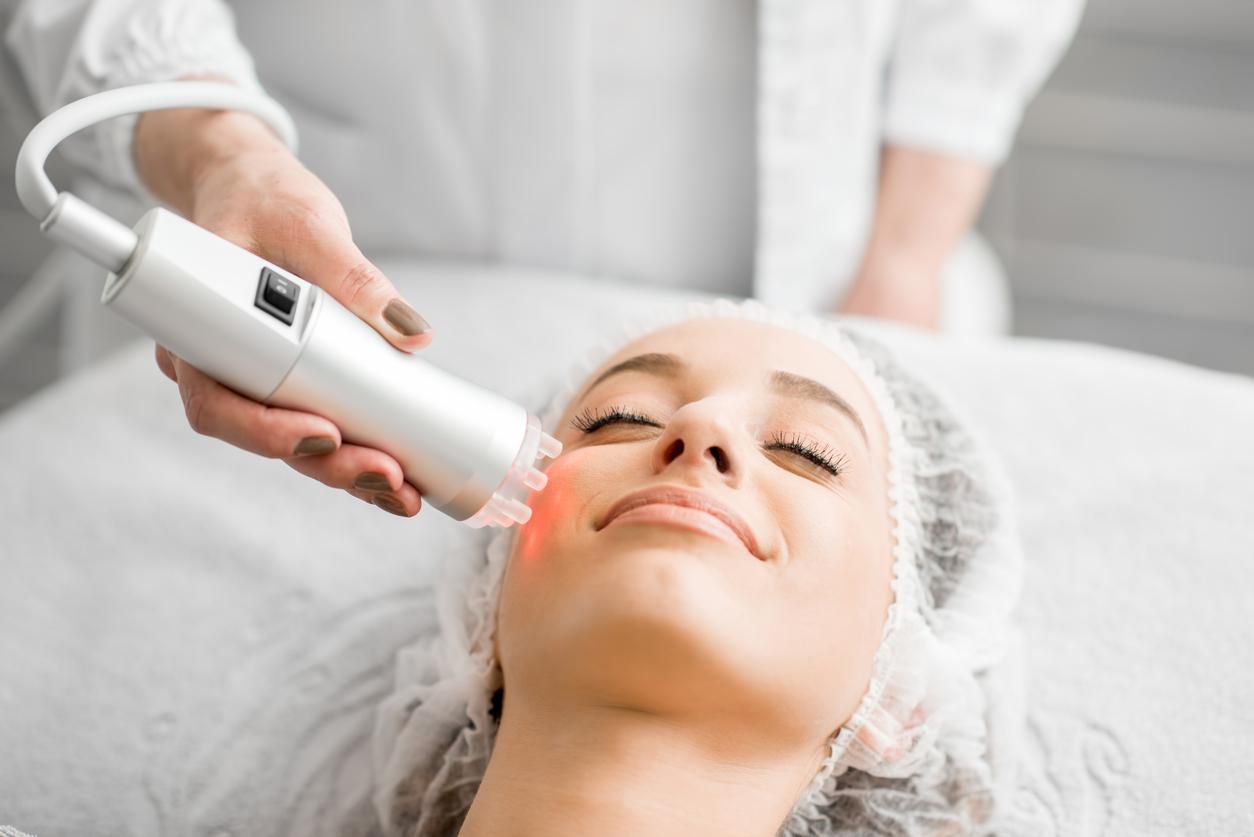
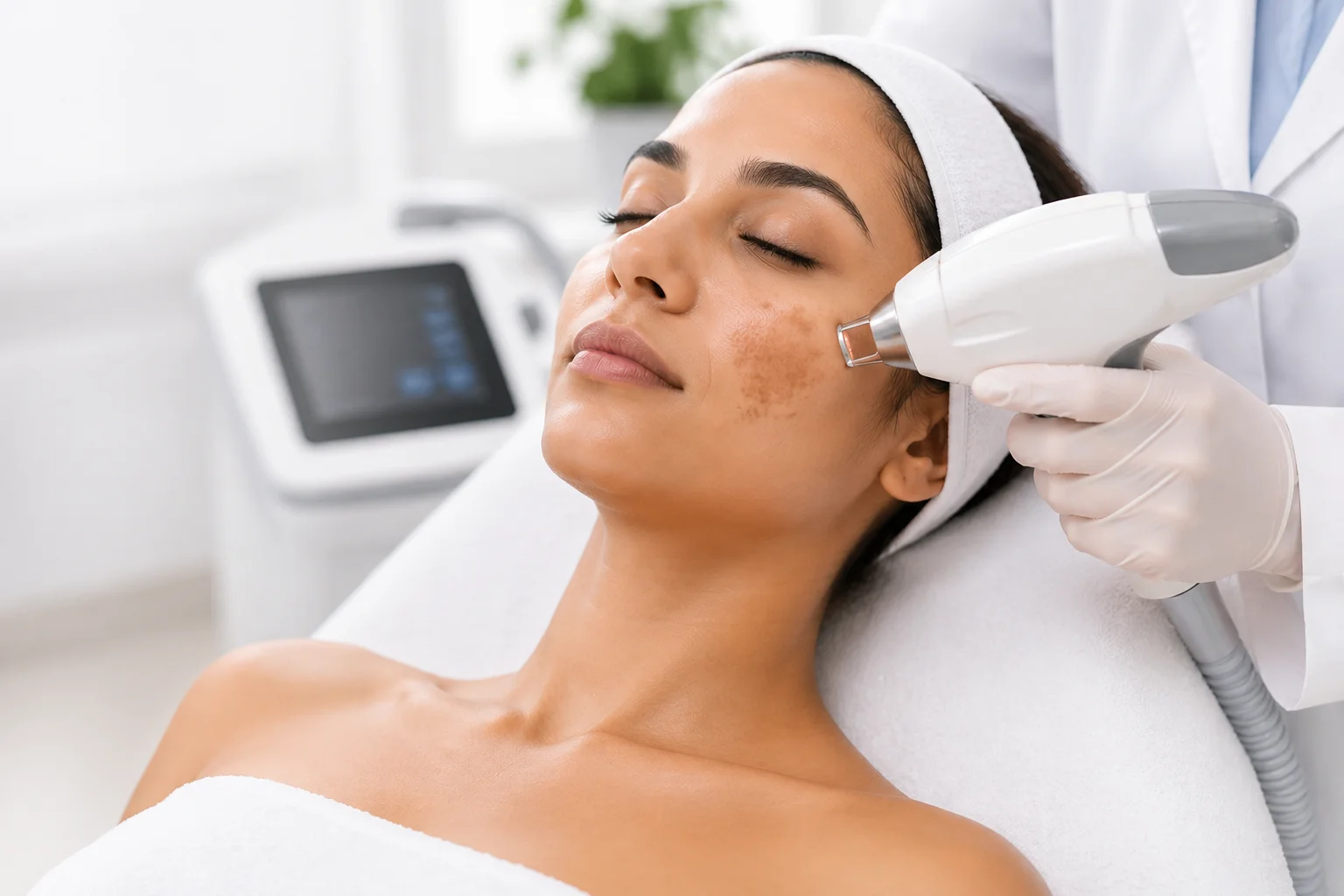
Before discussing costs and risks, it helps to understand the technology. Dermatologists use various light-based devices to target hyperpigmentation. Lasers work by emitting a specific wavelength of light that is absorbed by melanin, the pigment that gives dark spots their color. The light energy converts to heat, shattering the pigment particles into tiny fragments. Your body's immune system then naturally flushes these fragments away over several weeks.
Common devices include Q-Switched Nd:YAG lasers, picosecond lasers like PicoSure, and Intense Pulsed Light (IPL) therapies. The right device for you depends entirely on your specific skin type and the depth of the pigmentation.
The Real Costs Explained
When budgeting for laser dark spot removal, the biggest misconception is that it is a one-time expense. Achieving clear skin is almost always a multi-step process.
The Reality of Multiple Sessions
A single laser session is rarely enough to completely erase a dark spot. Depending on the severity of the pigmentation and the type of laser used, most dermatologists recommend a series of three to six treatments. These sessions are typically spaced four to six weeks apart to allow your skin time to heal and process the shattered pigment.
Financial Breakdown
The financial cost varies wildly based on your geographic location, the expertise of the provider, and the specific technology used. On average in the United States, you can expect the following estimates:
- Consultation Fees: An initial consultation with a board-certified dermatologist often costs between $100 and $250. Some clinics apply this fee toward your first treatment.
- Per-Session Costs: A standard IPL treatment might cost $250 to $400 per session. More advanced treatments, such as picosecond lasers or fractional resurfacing lasers like Fraxel, can range from $600 to over $1,000 per session.
- Total Investment: If your treatment plan requires four sessions at $500 each, plus a $150 consultation and $100 in specialized post-care skincare, your total investment is $2,250.
Hidden Risks: The Threat of PIH
All cosmetic procedures carry risks, but the most significant hidden risk with laser dark spot removal is Post-Inflammatory Hyperpigmentation, commonly referred to as PIH.
PIH occurs when the heat and inflammation from the laser actually trigger your skin's melanocytes to produce more pigment. Instead of removing the dark spot, the laser treatment makes the area darker or creates a new ring of pigmentation.
This risk is heavily dependent on your skin tone. Dermatologists use the Fitzpatrick scale to classify skin types from I (very fair) to VI (deeply pigmented). Patients with Fitzpatrick skin types IV through VI have a significantly higher risk of developing PIH. For these patients, aggressive lasers or IPL treatments are often unsafe. Instead, dermatologists must use highly specific wavelengths, like the 1064nm Nd:YAG laser, combined with lower energy settings and skin cooling devices to safely treat the area without triggering an inflammatory response.
Other potential risks include temporary redness, swelling, blistering, and in very rare cases, permanent scarring or hypopigmentation (lightening of the skin).
The Recovery Process and Strict Sun Care
The recovery phase is just as important as the laser session itself. Immediately after a treatment, the targeted dark spots will often look darker. Over the next seven to fourteen days, these spots may take on a texture similar to coffee grounds before gently flaking off.
During this recovery period and beyond, strict sun care is absolutely mandatory. Your skin is highly vulnerable to ultraviolet rays after a laser treatment. Even brief, unprotected sun exposure can immediately undo the results of your treatment and trigger severe hyperpigmentation.
You must commit to applying a broad-spectrum sunscreen with an SPF of 30 or higher every single day, regardless of the weather. Dermatologists strongly recommend mineral sunscreens containing zinc oxide or titanium dioxide for post-procedure care. Brands like EltaMD UV Clear or La Roche-Posay Anthelios Mineral are frequently recommended because they sit on the surface of the skin to block UV rays and are less likely to irritate healing skin than chemical sunscreen filters. You should also wear wide-brimmed hats and seek shade whenever possible.
Key Questions for Your Dermatologist
A thorough consultation is your best defense against unexpected costs and poor results. Bring this specific list of questions to your appointment:
- What is my Fitzpatrick skin type, and what specific laser device is safest for my skin tone?
- Do you have before and after photos of previous patients who share my specific skin tone and pigmentation issues?
- How many sessions do you realistically estimate I will need to see a 70% to 90% improvement?
- What is the exact cost per session, and do you offer package pricing?
- What is your specific protocol if I develop Post-Inflammatory Hyperpigmentation after a session?
- Are there prescription topical creams, like hydroquinone, that I should use to prep my skin before the first laser treatment?
Frequently Asked Questions
Does laser dark spot removal hurt?
Most patients describe the sensation as similar to a rubber band snapping against the skin. It is uncomfortable but generally tolerable. For more intense treatments, your dermatologist will apply a topical numbing cream containing lidocaine 30 to 45 minutes before the procedure to minimize discomfort.
Are the results of laser removal permanent?
The laser permanently destroys the existing pigment in that specific spot. However, the results are not a lifelong guarantee against new spots. If you do not practice strict sun protection or if you experience hormonal changes, new dark spots can and will form in the future.
Can I wear makeup after a laser session?
Your dermatologist will usually advise you to keep the treated area clean and free of makeup for at least 24 to 48 hours to prevent infection and irritation. Once the skin is no longer raw or actively blistering, you can typically resume wearing gentle, non-comedogenic makeup.