How to Choose Disposable Gloves for Food Handling
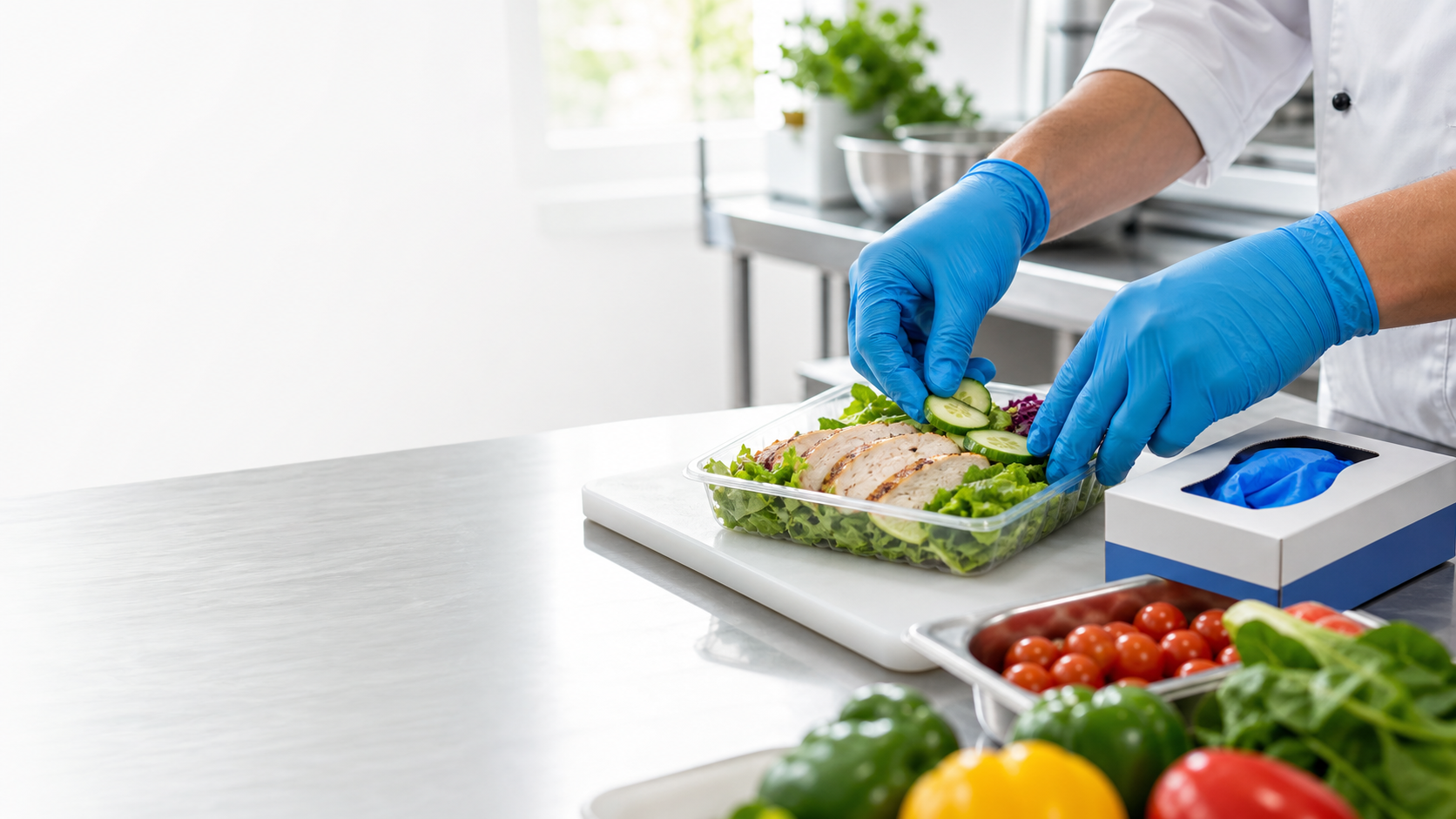
Disposable gloves are widely used in food prep, catering, baking, food packaging, cleaning, and everyday kitchen work. For businesses and households that handle food regularly, choosing the right food grade gloves can help keep hands clean, reduce direct contact with ingredients, and make food handling more hygienic and efficient.
What Are Food Grade Disposable Gloves?
Food grade disposable gloves are gloves designed for food contact and food handling tasks. They are commonly used in restaurants, bakeries, delis, food trucks, catering kitchens, supermarkets, home kitchens, and meal prep services.
The term “food grade” does not mean the glove is edible. It means the glove material is suitable for use in food-contact situations when used correctly.
Common Types of Disposable Food Gloves
Nitrile Gloves
Nitrile disposable gloves are a popular choice for food handling because they are durable, latex-free, and more resistant to oils and punctures than many basic glove materials. They fit closely to the hand, which makes them useful for food prep tasks that require grip and control.
Best for:
- Food preparation
- Meat handling
- BBQ and grilling
- Commercial kitchens
- Oily or greasy foods
- Users with latex sensitivity
Vinyl Gloves
Vinyl gloves are often used for light-duty food service tasks. They are usually more affordable than nitrile gloves and are easy to put on and remove. Vinyl gloves are suitable for short food handling tasks where frequent glove changes are needed.
Best for:
- Food packaging
- Sandwich prep
- Bakery counters
- Light kitchen tasks
- Short-duration food service
Polyethylene Gloves
Poly gloves, also called PE gloves, are loose-fitting and cost-effective. They are commonly used for quick, simple food handling tasks where gloves are changed often.
Best for:
- Food pickup
- Serving ready-to-eat foods
- Food sampling
- Fruit and vegetable handling
- Quick food prep tasks
Latex Gloves
Latex gloves offer excellent flexibility and comfort, but they are not suitable for everyone because some people have latex allergies. For food service environments serving the public, many businesses choose latex-free options such as nitrile or vinyl.
Best for:
- Tasks requiring flexibility
- Users without latex sensitivity
- Non-allergy-sensitive environments
How to Choose the Right Disposable Gloves
When buying disposable gloves for food handling, consider these factors:
- Food contact use: Choose gloves labeled for food handling or food contact.
- Material: Nitrile, vinyl, poly, and latex each fit different tasks.
- Powder-free design: Powder-free gloves are usually preferred for food handling.
- Size and fit: A better fit improves comfort, grip, and control.
- Thickness: Thicker gloves may offer better durability for longer tasks.
- Grip: Textured fingertips can help when handling wet, oily, or slippery foods.
- Latex-free needs: Nitrile and vinyl gloves are common latex-free choices.
Disposable Gloves for Restaurants and Food Service
Restaurants, cafes, bakeries, food trucks, and catering teams often need different glove types for different tasks. A kitchen may use nitrile gloves for meat prep, vinyl gloves for sandwich assembly, and poly gloves for quick serving tasks.
For commercial use, it is also important to choose gloves that are easy to change, comfortable for staff, and appropriate for the food being handled.
Disposable Gloves for Home Kitchens
Disposable food gloves are also useful at home. They can help when handling raw meat, marinating food, cutting spicy peppers, preparing dough, cleaning seafood, or packing lunches. For most home kitchens, nitrile gloves are a strong all-around option, while poly gloves work well for quick, simple tasks.
Food Grade Gloves vs. Regular Disposable Gloves
Not all disposable gloves are intended for food handling. Some gloves are made for cleaning, industrial work, beauty services, or medical use. If the gloves will touch food directly, look for food-safe or food-contact labeling.
For food handling, avoid gloves with strong odors, visible powder, unknown materials, or unclear product information.
Best Uses for Food Grade Disposable Gloves
Food grade disposable gloves are commonly used for:
- Cooking and food preparation
- Handling raw meat, poultry, and seafood
- Baking and dough preparation
- Food packaging and takeout orders
- BBQ, grilling, and smoking meat
- Deli and sandwich prep
- Fruit and vegetable handling
- Catering and buffet service
- Home kitchen cleaning and meal prep
Final Thoughts
The best disposable gloves depend on how they will be used. For durability and comfort, nitrile gloves are a strong choice. For light food service tasks, vinyl gloves can be practical and affordable. For quick serving and frequent changes, poly gloves are simple and cost-effective.
If you are buying gloves for food prep, restaurants, catering, baking, or home cooking, choose food grade disposable gloves that match your task, fit well, and are clearly labeled for food handling.
FAQ
Are disposable gloves safe for food handling?
Yes, disposable gloves can be safe for food handling when they are labeled for food contact or food service use. Always choose gloves that match the task and change them regularly to avoid cross-contamination.
What are the best disposable gloves for food prep?
Nitrile gloves are often a strong choice for food prep because they are durable, latex-free, and suitable for handling meat, seafood, oily foods, and general kitchen tasks. Vinyl and poly gloves can also work well for lighter, short-duration tasks.
Are nitrile gloves food safe?
Many nitrile gloves are suitable for food handling, but you should check the product label or description to confirm that they are intended for food contact. Food-safe nitrile gloves are commonly used in restaurants, catering, BBQ, and meal prep.
What is the difference between food grade gloves and regular disposable gloves?
Food grade gloves are intended for food contact or food handling tasks. Regular disposable gloves may be made for cleaning, beauty, industrial, or medical use, and may not always be appropriate for direct contact with food.
Should food handling gloves be powder-free?
Powder-free gloves are usually preferred for food handling because they reduce the risk of powder residue getting onto food. For restaurants, bakeries, and home kitchens, powder-free disposable gloves are generally the better option.
How often should disposable food gloves be changed?
Disposable food gloves should be changed whenever they become dirty, torn, or contaminated. They should also be changed between different tasks, such as moving from raw meat preparation to ready-to-eat food handling.
Can I use latex gloves for food preparation?
Latex gloves can be used for some food preparation tasks if they are labeled for food contact, but they may cause allergic reactions for some users or customers. Many food service businesses choose latex-free gloves such as nitrile or vinyl.
Which gloves are best for BBQ and handling meat?
Nitrile gloves are commonly used for BBQ, grilling, smoking meat, and handling raw meat because they offer good durability, grip, and resistance to oils and grease. For heat protection, wear appropriate heat-resistant gloves over disposable gloves when handling hot items.