
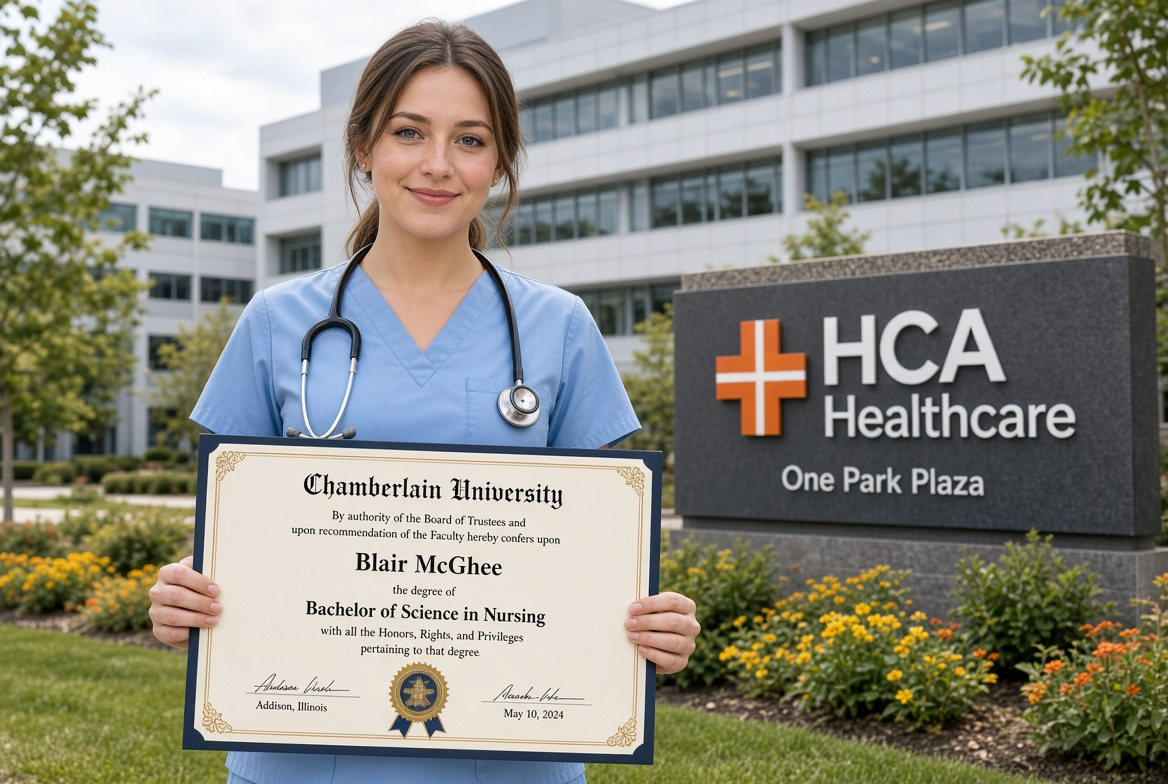
Online Nursing Programs: Accelerated RN Paths, Local Options, and Earn-While-You-Train Routes
If you are searching for online nursing programs, nursing programs near me, accelerated nursing programs, RN programs near me, online RN programs, or accelerated RN programs, you are usually looking for the same three things: a faster path into registered nursing, a schedule that fits work or family, and a realistic way to manage tuition.
In the United States, many people also explore employer-linked options such as pathways connected with large health systems. HCA Healthcare has offered education and tuition-support programs that can help eligible colleagues pursue nursing credentials while staying employed—sometimes described as training with continued income rather than leaving work entirely for school. Availability, job role, and benefit rules vary by location and employer policy.
A fully online, start-to-finish RN license with no clinical hours is uncommon. Online coursework can cover theory; supervised clinical practice is still required for licensure. This guide explains how online and accelerated RN options work, what “near me” really means, and how earn-while-you-train models fit into the picture.
What “online nursing programs” usually include
Legitimate online RN programs and hybrid tracks often combine:
- Online lectures, readings, and exams
- Skills labs on campus or at partner sites
- Supervised clinical rotations in hospitals or other care settings
- Preparation for the NCLEX-RN after graduation from an approved program
When people search rn nursing programs near me, they are often filtering for clinical sites, lab days, and state-board approval close to home—not only a website that streams classes.
Before you enroll, confirm that the exact program is approved for your state and leads to NCLEX-RN eligibility. Online marketing language is not the same as board approval.
Accelerated nursing programs vs. standard timelines
Accelerated nursing programs and accelerated RN programs compress coursework for students who already hold a bachelor’s degree in another field, or for other applicants who meet strict prerequisite rules. They can shorten calendar time, but the workload is intense.
- Accelerated BSN (ABSN): Often designed for career changers with a prior degree; full-time and fast-paced
- Traditional ADN or BSN: Longer calendar, sometimes more flexibility for working students
- RN-to-BSN online: For already licensed RNs completing a bachelor’s; different from pre-licensure training
- Hybrid LPN-to-RN or bridge tracks: For licensed practical nurses moving toward RN, where offered
“Accelerated” does not mean fewer clinical requirements. It means the same core learning is scheduled more tightly.
HCA Healthcare and earn-while-you-train style support
Large employers, including health systems such as HCA Healthcare, have promoted tuition assistance, partnerships with nursing schools, and internal pathways that help employees move into RN roles. For some colleagues, that can look like:
- Staying employed in a support role while taking approved coursework
- Tuition assistance or reimbursement under written benefit rules
- Clinical experience in system facilities when placements allow
- A clearer line of sight to RN job openings after licensure—without a guaranteed placement
Earn-while-you-train is attractive because it reduces the gap between leaving a paycheck and finishing school. It is not automatic. You still need admission to an approved nursing program, time for labs and clinicals, and successful completion of licensing steps. Benefit caps, eligible schools, grades, and work-commitment terms are set by the employer and should be read in writing.
Who these paths may fit
- Career changers — Exploring accelerated BSN or second-degree options
- Working adults — Needing hybrid or online theory plus local clinicals
- Healthcare employees — Using employer tuition help while staying on the payroll
- Local searchers — Prioritizing nursing programs near me for commute and clinical access
- LPNs or aides — Looking for bridge routes where state and school rules allow
Age alone is rarely the barrier. Admission depends on prerequisites, GPA or testing rules, background checks, immunizations, and the ability to attend required in-person hours.
What to compare before you pick a school
- State board approval for the pre-licensure program you will attend
- NCLEX-RN eligibility after graduation
- Total length including clinicals—not only the “online” marketing window
- Clinical placement process — assigned sites vs. student-arranged
- Total cost — tuition, fees, books, uniforms, testing, travel
- Schedule fit — lab days, clinical shifts, and your work hours
- Employer benefits — what HCA or another employer will actually reimburse, and any service commitment
Use the same checklist for every online RN program and every local ADN/BSN option so ads are easier to compare.
Online, near me, or both?
- Online theory + local clinicals (hybrid): Common model for working adults
- Campus-heavy accelerated programs: Faster calendar, less schedule flexibility
- RN-to-BSN fully online: For nurses who already hold an RN license
- Employer-partnered cohorts: May limit school choice but add tuition support
If your priority is rn programs near me, start with approved programs and clinical sites you can actually reach, then ask whether theory can be online.
How to apply (practical sequence)
- Clarify your goal — First-time RN license, accelerated second degree, or RN-to-BSN after licensure.
- Check your state board of nursing — Confirm approved pre-licensure programs and any rules for online or out-of-state study.
- Map prerequisites — Anatomy, physiology, microbiology, stats, and other required courses; finish or plan them early.
- If you work in healthcare, ask HR about tuition assistance — Including HCA Healthcare or your current employer’s nursing education benefits, eligible schools, grade rules, and work-commitment clauses.
- Shortlist programs — Compare total cost, clinical schedule, NCLEX outcomes reporting, and start dates.
- Submit school applications — Transcripts, tests, background checks, and health requirements as listed.
- Apply for aid and employer funding in parallel — Do not assume reimbursement will cover every fee.
- After graduation — Follow state instructions for NCLEX-RN authorization and RN licensure; then apply to open RN roles.
For employer pathways, use official career or HR channels. For schools, use the admissions office and the state board list—not only search ads.
FAQ
Can I complete an RN program 100% online?
Pre-licensure RN education almost always requires in-person labs and clinicals. Online components are common for theory. RN-to-BSN programs for already licensed nurses are more often fully online.
What does accelerated really mean?
A tighter calendar and heavier weekly load—not fewer licensing requirements. Confirm total months from day one through clinical completion.
Does HCA Healthcare pay me while I train?
Some employees may remain in paid roles and receive tuition support while in school, depending on policy, location, and eligibility. It is not a universal guarantee for every applicant or every program.
Are online nursing programs near me legitimate?
They can be, when the program is properly approved and clinicals are arranged under school and board rules. Always verify approval before paying enrollment fees.
Will I get an RN job after graduation?
Employment depends on licensure, local demand, your application, and employer needs. Employer partnerships may improve visibility—not a promised job offer.
Important information
This article is for general education only. It is not an offer of admission, employment, tuition assistance, or a guarantee of program length, online format, clinical placement, NCLEX success, or RN hiring. Nursing education and licensing rules vary by state and school. Employer benefits such as those associated with HCA Healthcare vary by location and written policy. Confirm all details with the state board of nursing, the nursing program, and your employer or official careers site before you enroll or rely on any funding promise.